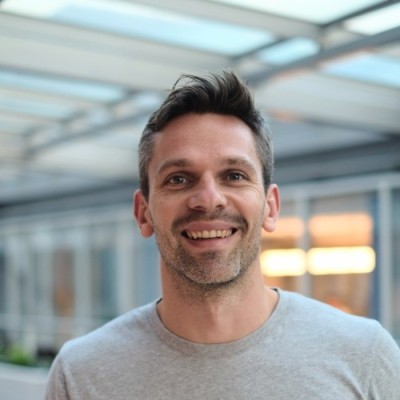


.png)



%201.png)













 %5BSECTION - It doesn%27t have to be that way%5D Communication - Illustrations v2.svg)

.png)
.png)
.png)
.png)
.png)
.png)
.png)
.png)
.png)
.png)
.png)
.png)
.png)
.png)
X
Avar
Lorem ipsum dolor sit amet, consectetur adipiscing elit. Suspendisse varius enim in eros elementum tristique. Duis cursus,
8 Hours Working Time
X

Miami Tubs Logo
Lorem ipsum dolor sit amet, consectetur adipiscing elit. Suspendisse varius enim in eros elementum tristique. Duis cursus,
8 Hours Working Time

Affirming Logo
Lorem ipsum dolor sit amet, consectetur adipiscing elit. Suspendisse varius enim in eros elementum tristique. Duis cursus,
8 Hours Working Time
X
Ligr Logo
Lorem ipsum dolor sit amet, consectetur adipiscing elit. Suspendisse varius enim in eros elementum tristique. Duis cursus,
8 Hours Working Time
X

Blue Cap Logo
Lorem ipsum dolor sit amet, consectetur adipiscing elit. Suspendisse varius enim in eros elementum tristique. Duis cursus,
8 Hours Working Time
X
Teesa Logo
Lorem ipsum dolor sit amet, consectetur adipiscing elit. Suspendisse varius enim in eros elementum tristique. Duis cursus,
8 Hours Working Time
X
Pixel Logo
Lorem ipsum dolor sit amet, consectetur adipiscing elit. Suspendisse varius enim in eros elementum tristique. Duis cursus,
8 Hours Working Time
X

Freddle Logo
Lorem ipsum dolor sit amet, consectetur adipiscing elit. Suspendisse varius enim in eros elementum tristique. Duis cursus,
8 Hours Working Time
X
Super Logo
Lorem ipsum dolor sit amet, consectetur adipiscing elit. Suspendisse varius enim in eros elementum tristique. Duis cursus,
8 Hours Working Time
X

Acquirely Logo
Lorem ipsum dolor sit amet, consectetur adipiscing elit. Suspendisse varius enim in eros elementum tristique. Duis cursus,
8 Hours Working Time
X

Treaat Logo
Lorem ipsum dolor sit amet, consectetur adipiscing elit. Suspendisse varius enim in eros elementum tristique. Duis cursus,
8 Hours Working Time
X
Test Logo
Lorem ipsum dolor sit amet, consectetur adipiscing elit. Suspendisse varius enim in eros elementum tristique. Duis cursus,
8 Hours Working Time
.png)

.png)
%20(1).png)

.gif)
.svg)
.jpg)


.jpg)